


The Allure of Chance
The thrill of uncertainty is a significant factor in what draws people to casinos. The unpredictability of games of chance creates an adrenaline rush that can be addictive. Players are often motivated by the potential for a life-changing win, which can overshadow the reality of losing. This psychological phenomenon, known as the “gamblers’ fallacy,” leads many to believe that they are due for a win after a string of losses, keeping them engaged in the gaming experience. As they explore options for entertainment, many people look into best sport betting sites alongside traditional casino games.
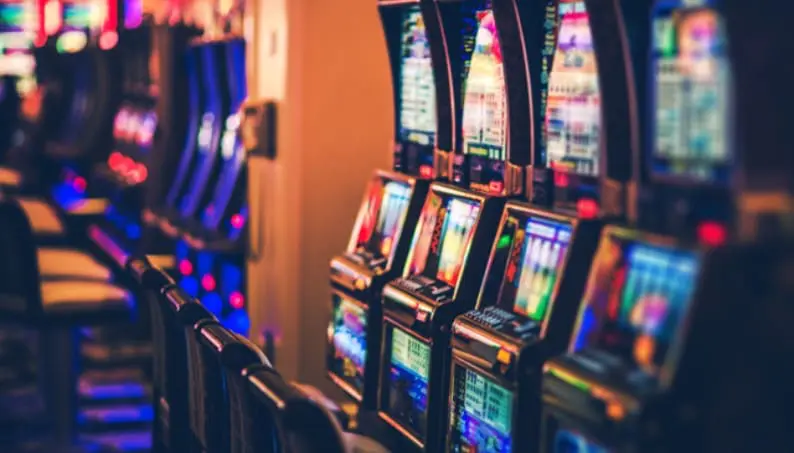
Moreover, the excitement generated by games such as slot machines and poker can trigger the brain’s reward system. This stimulation releases dopamine, reinforcing the behavior and encouraging players to return for more. The environment in casinos is also designed to enhance this experience, featuring bright lights, engaging sounds, and an atmosphere that heightens the anticipation of winning.
The Role of Social Interaction
Casinos are not just places for individual games; they serve as social hubs where people come together to share experiences. The social aspect of gambling can be a powerful motivator for players. Engaging with friends at a poker table or celebrating a win with fellow players fosters a sense of community. This social reinforcement encourages individuals to return, as they associate their visits with enjoyable interactions and shared memories.
Furthermore, many casinos host events and competitions, increasing the social dynamic of gambling. These gatherings promote camaraderie among players, making the experience more appealing. The connections formed at casinos often lead to repeated visits, as players return not only for the games but also for the relationships they have developed.
The Design of the Casino Environment
The architecture and design of a casino play a crucial role in attracting and retaining players. Casinos are meticulously crafted to create an immersive experience that encourages prolonged engagement. From the layout to the decor, each element is designed to disorient and entice individuals to explore more. The lack of clocks and windows contributes to a sense of timelessness, allowing players to lose track of time as they get absorbed in the gaming atmosphere.
Additionally, the use of engaging colors, sounds, and scents enhances the overall experience. These sensory stimuli create a stimulating environment that keeps players intrigued and wanting more. By carefully curating the ambiance, casinos can successfully manipulate psychological triggers, leading to increased attendance and longer play sessions.
Reward Systems and Promotions
Another significant aspect of casino psychology is the implementation of rewards and loyalty programs. Casinos often use promotional offers, bonuses, and player points systems to incentivize repeat visits. These rewards create a sense of belonging and achievement among players, encouraging them to return in hopes of unlocking greater benefits.
Moreover, the psychology of loss aversion plays a role here—players are more likely to return to recoup their losses and take advantage of potential rewards. The promise of free play, meals, or lodging makes the experience more appealing and can lead to continuous patronage. This strategic use of rewards ensures that players feel valued, further solidifying their connection to the casino.

About Our Website
Our website is dedicated to exploring the multifaceted world of casinos, delving into the psychological factors that motivate players. Through comprehensive articles and insights, we aim to illuminate the intricacies of gambling behavior and what influences players to return time and again.
We provide a wealth of resources for both casual players and serious gamblers, including tips, strategies, and in-depth analyses of casino culture. Join us as we continue to uncover the fascinating psychology behind casino success and the allure that keeps players coming back.